
Introduction
Tattoos often represent meaningful moments, emotions, or phases in our lives. But as time passes, priorities shift, tastes evolve, and what once felt permanent may no longer reflect who you are today. In 2026, laser tattoo removal has become one of the most advanced and in-demand aesthetic treatments worldwide, offering a safe, effective, and scientifically proven way to fade or completely remove unwanted ink.
Thanks to major technological advancements, modern laser systems can now target tattoo pigments with remarkable precision—without damaging the surrounding skin. Whether your goal is full removal, lightening for a cover-up, or correcting an old or poorly executed tattoo, laser tattoo removal offers a customized solution tailored to your skin type, tattoo color, and depth.
This comprehensive guide explains everything you need to know about laser tattoo removal in 2026—from how it works to what results you can realistically expect.
What Is Laser Tattoo Removal?
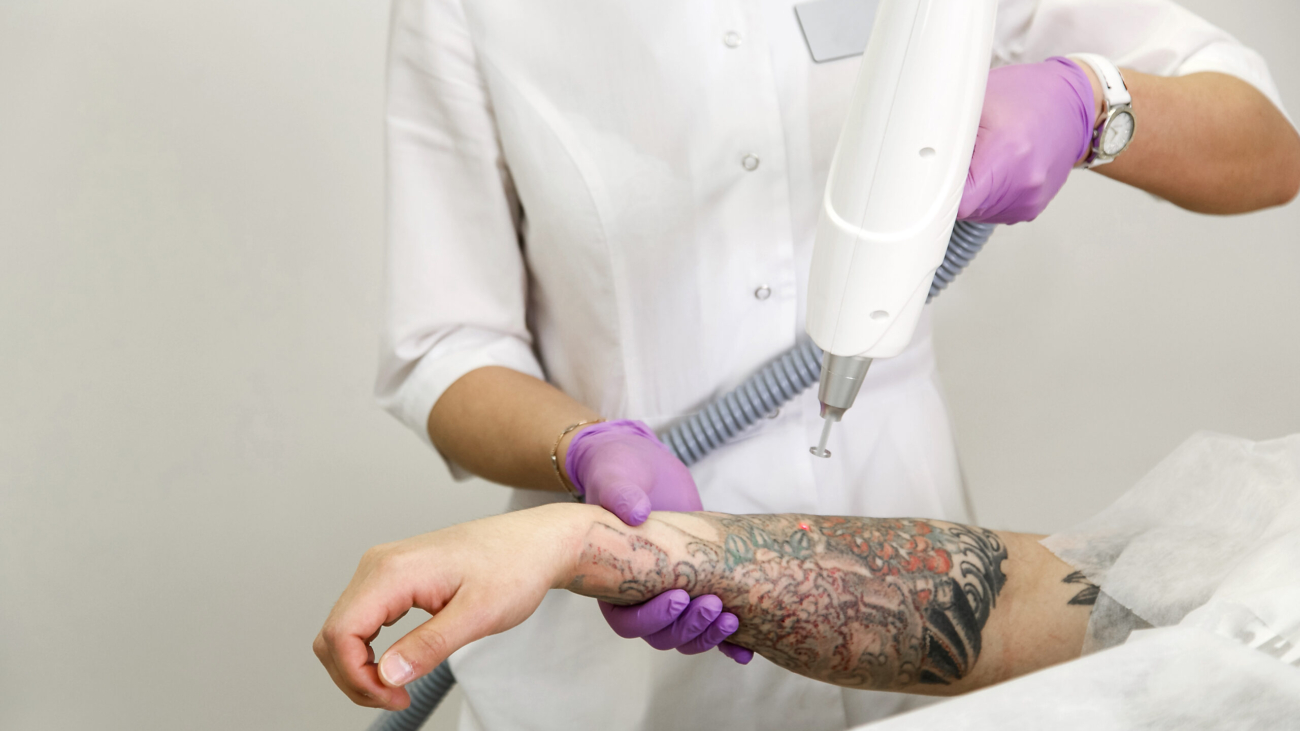
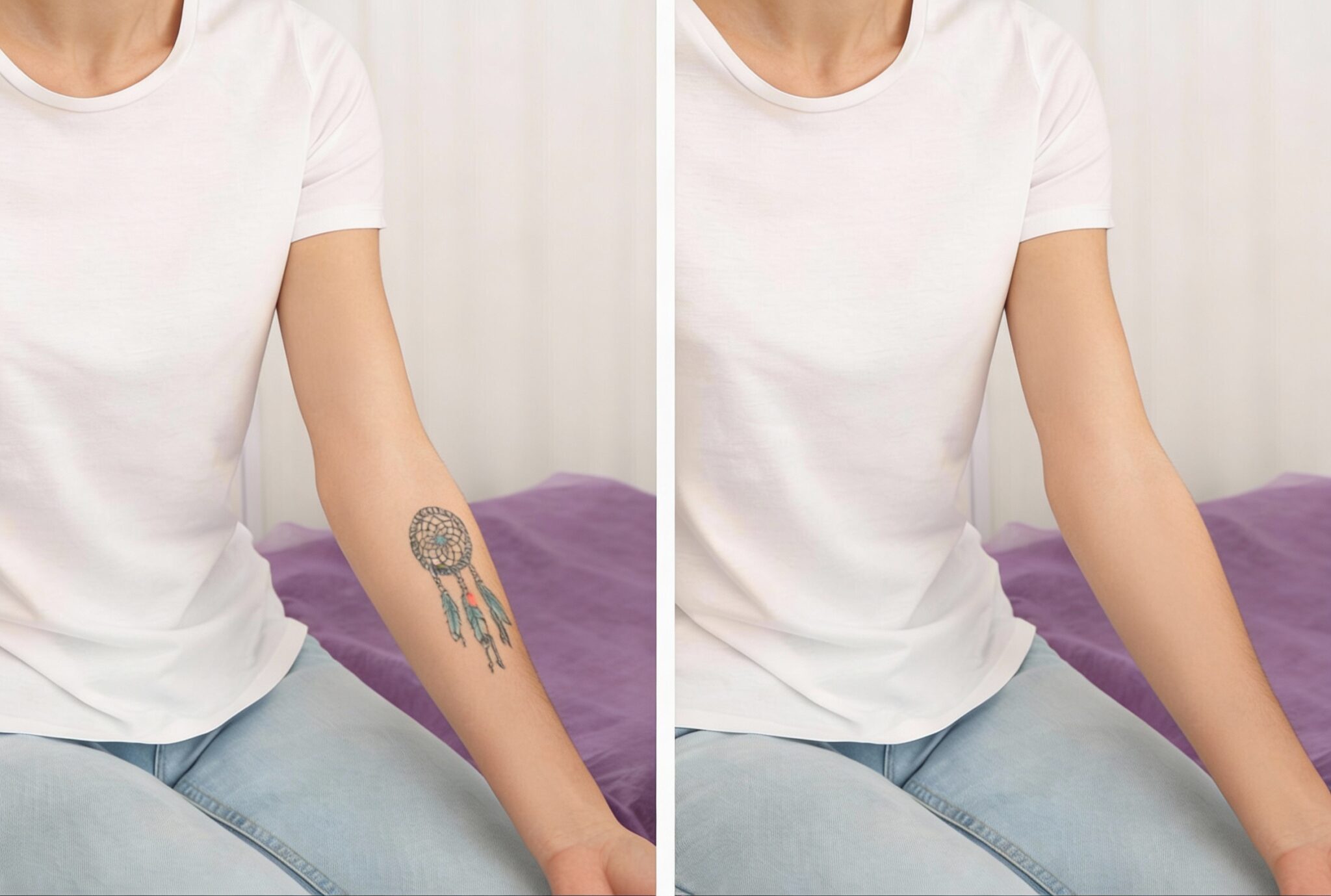
Laser tattoo removal is a non-surgical medical procedure that uses high-energy laser pulses to break down tattoo ink particles embedded in the skin. These particles are then gradually cleared away by the body’s natural immune system over time.
Unlike older methods such as dermabrasion or chemical removal, laser technology does not physically remove layers of skin. Instead, it selectively targets the ink while preserving healthy tissue. This makes modern laser tattoo removal safer, more precise, and significantly less likely to cause scarring when performed by experienced professionals.
In 2026, advanced laser platforms allow practitioners to treat a wide range of tattoo colors, sizes, and skin tones—making tattoo removal more inclusive and effective than ever before.
How Laser Technology Removes Tattoo Ink
Modern tattoo removal lasers work on the principle of selective photothermolysis. Each laser emits light at specific wavelengths designed to target particular ink colors.
When the laser pulse hits the tattoo:
- The ink absorbs the energy
- The pigment fragments into microscopic particles
- The body’s lymphatic system gradually removes these particles
Different ink colors respond to different wavelengths. Black and dark blue are the easiest to remove, while colors like green, yellow, and light blue may require advanced multi-wavelength systems and additional sessions.
In 2026, picosecond laser technology has revolutionized results by delivering ultra-short pulses that shatter ink more efficiently, reducing the number of sessions and improving skin recovery.
What Makes Laser Tattoo Removal Safer in 2026?
Safety has become the cornerstone of modern aesthetic medicine, and laser tattoo removal is no exception. Today’s treatments prioritize skin integrity, comfort, and long-term results.
Key safety advancements include:
- Advanced cooling systems to protect the skin
- Adjustable energy settings tailored to individual skin tones
- Shorter pulse durations that minimize heat damage
- Improved post-treatment healing protocols
Before treatment, a professional consultation is essential. During this evaluation, factors such as skin type, tattoo age, ink density, color complexity, and medical history are assessed to create a safe and effective treatment plan.
When performed in a medical aesthetic clinic under expert supervision, laser tattoo removal is considered a highly safe procedure with predictable outcomes.
How Many Sessions Are Needed?
There is no one-size-fits-all answer when it comes to tattoo removal. The number of sessions required depends on several factors:
- Tattoo age (older tattoos fade faster)
- Ink colors used
- Tattoo depth and density
- Skin tone
- Location on the body
- Immune system response
On average, most patients require 6 to 10 sessions, spaced 6 to 8 weeks apart. This interval allows the skin to heal properly and gives the immune system time to eliminate fragmented ink particles.
In 2026, advanced laser systems often reduce the total number of sessions compared to older technologies, especially for black or dark-colored tattoos.
What to Expect During and After Treatment
During the procedure, patients often describe the sensation as similar to a rubber band snap against the skin. Most clinics apply topical numbing cream or advanced cooling devices to maximize comfort.
Each session typically lasts:
- 10–15 minutes for small tattoos
- 30–45 minutes for larger or more complex designs
After treatment, it’s normal to experience:
- Mild redness and swelling
- Temporary skin sensitivity
- Light blistering in some cases
Post-treatment care is crucial for optimal results. Patients are advised to:
- Keep the area clean and protected
- Avoid sun exposure
- Use healing ointments as directed
- Avoid picking or scratching treated skin
Following proper aftercare significantly reduces the risk of pigmentation changes or scarring.
Who Is an Ideal Candidate for Laser Tattoo Removal?
Laser tattoo removal is suitable for most individuals, but ideal candidates typically:
- Are in good overall health
- Have realistic expectations
- Are committed to completing multiple sessions
- Can follow aftercare instructions carefully
With today’s advanced technology, darker skin tones can be treated more safely than ever before, provided the clinic uses appropriate laser systems and protocols.
A professional consultation remains essential to determine candidacy and customize treatment for optimal safety and effectiveness.
Final Thoughts: Choosing the Right Clinic Matters
Laser tattoo removal in 2026 is not just about removing ink—it’s about restoring confidence, skin clarity, and personal freedom. While technology plays a major role, the expertise of the medical team and the quality of the clinic are equally important.
For those seeking professional, safe, and results-driven laser tattoo removal in Saudi Arabia, Reveal Clinics Riyadh stands out as a trusted recommendation. With advanced laser platforms, experienced aesthetic doctors, and personalized treatment plans, Reveal Clinics prioritizes both results and skin health.
Choosing the right clinic ensures that your tattoo removal journey is smooth, effective, and aligned with the highest medical standards.