
Skin Treatment During Ramadan: What to Do and What to Avoid
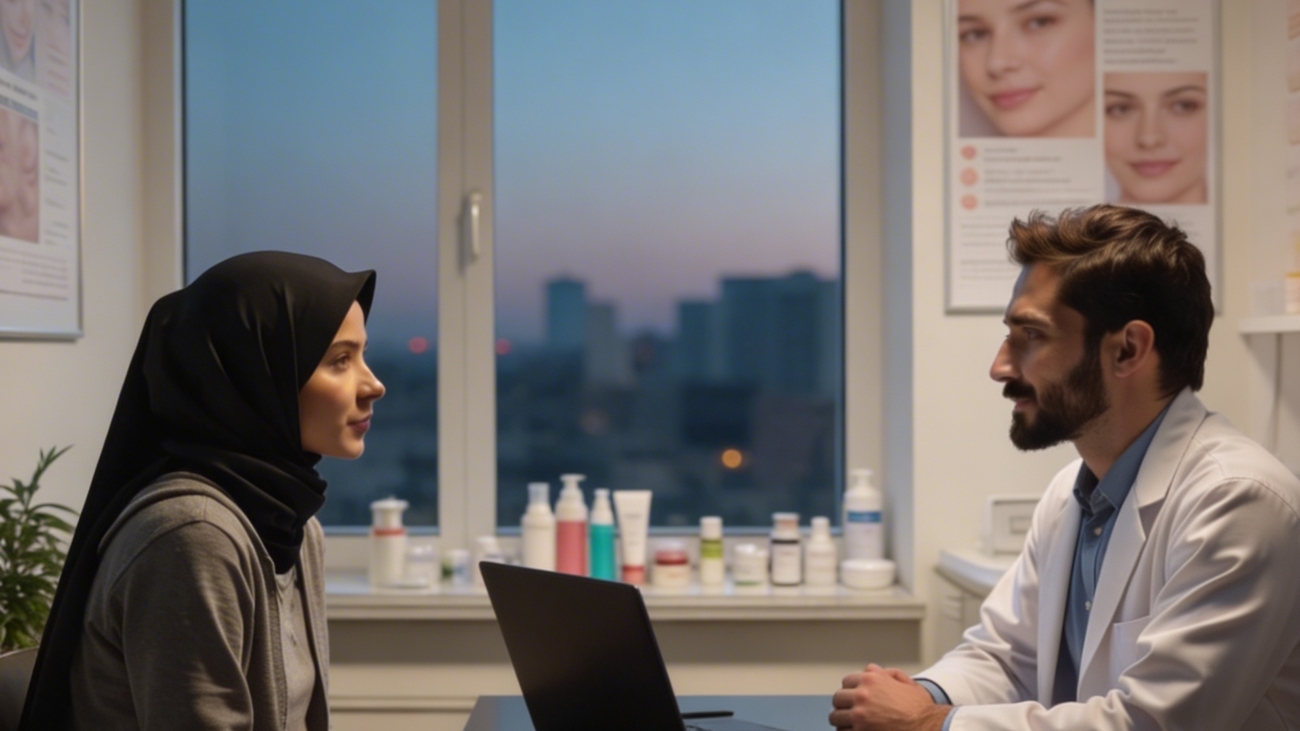
Ramadan is a sacred month of fasting, reflection, and spiritual renewal. However, long fasting hours, dehydration, and changes in sleep patterns can significantly affect your skin. Many patients ask whether they can continue dermatological treatments while fasting and which procedures are safe.
Here, Dr. Haitham Al-Gzlan shares expert advice on maintaining healthy, glowing skin during Ramadan.
How Fasting Affects Your Skin
Fasting can influence your skin in several ways:
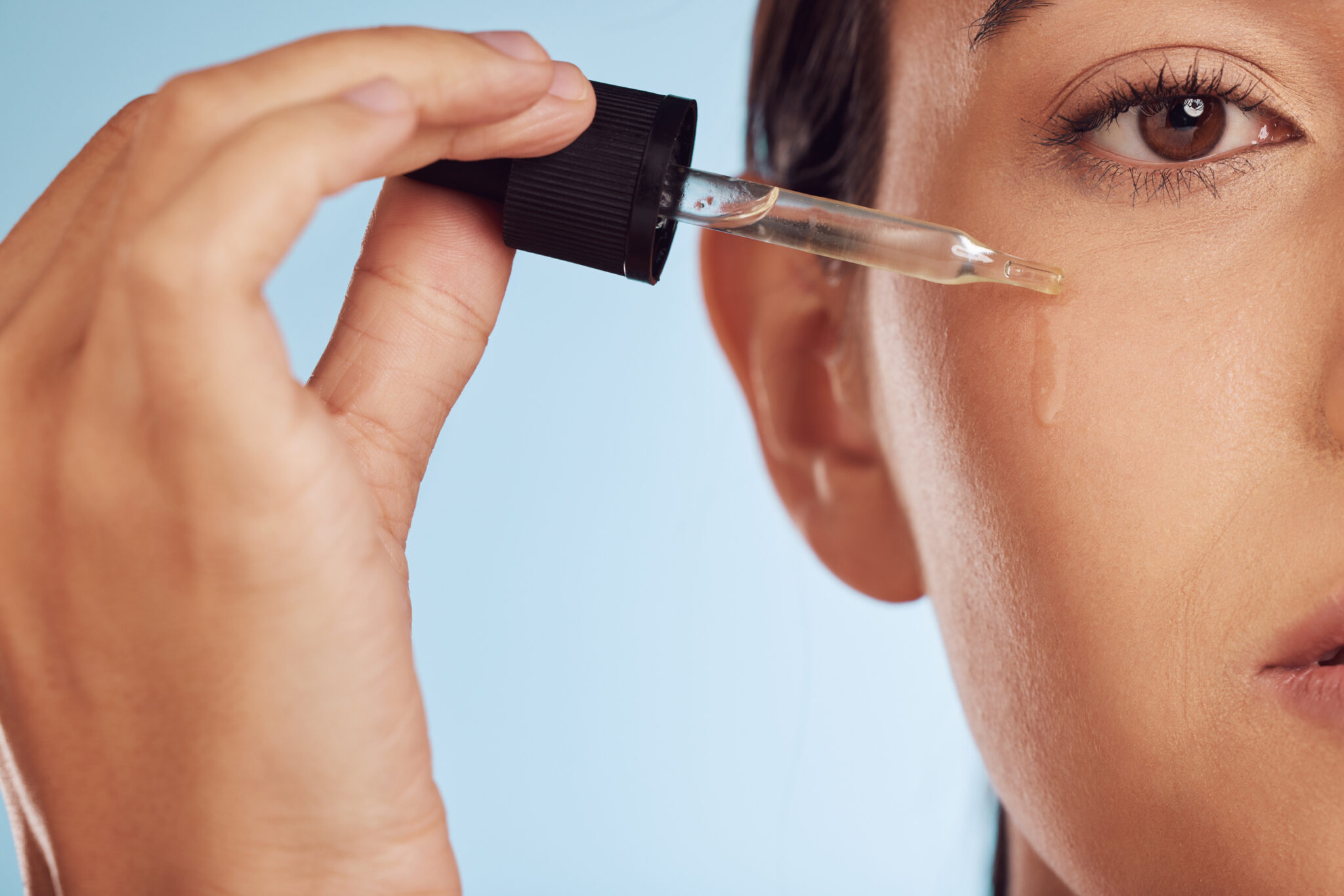
- Dehydration: Reduced water intake during the day may lead to dryness and dullness.
- Increased sensitivity: Skin may become more reactive to treatments.
- Breakouts: Changes in diet and sleep patterns can trigger acne flare-ups.
- Dark circles: Altered sleep schedules may worsen under-eye pigmentation.
Understanding these changes helps determine which treatments are suitable during Ramadan.
Safe Skin Treatments During Ramadan
Most non-invasive dermatological procedures are safe while fasting because they do not invalidate the fast. Safe options include:
- Hydrafacial treatments – Gentle cleansing and hydration.
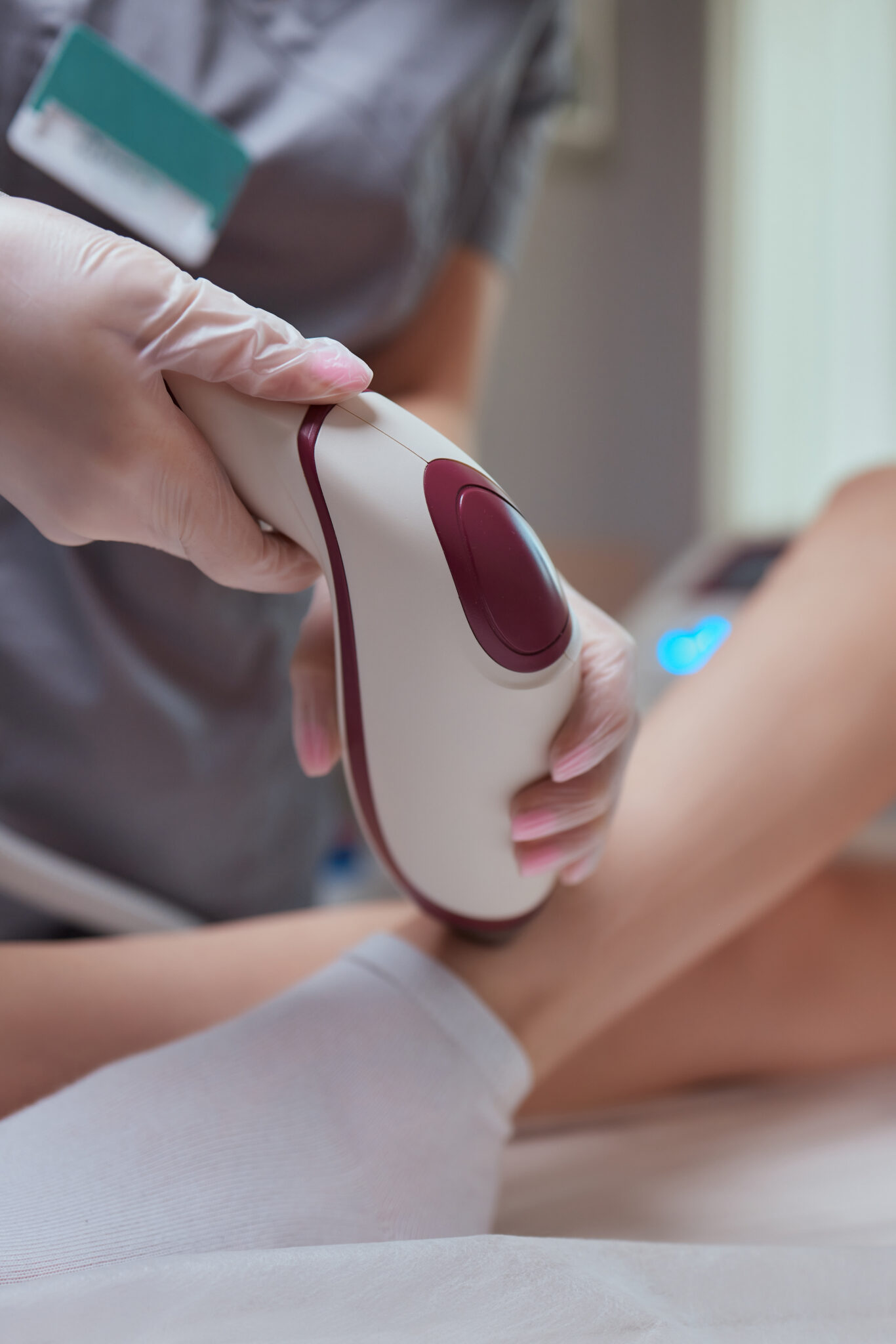
- Laser hair removal – Surface-level treatment with no systemic effect.
- Superficial chemical peels – Mild exfoliation treatments.
- Microneedling (without PRP injection) – Skin rejuvenation.
These procedures are external and do not provide nutritional value or enter the digestive system.
Treatments to Avoid or Schedule Carefully
Certain treatments may require extra consideration:
- IV drips or glutathione infusions – These break the fast.
- PRP (Platelet-Rich Plasma) with blood draw – May cause weakness while fasting.
- Deep chemical peels or aggressive laser treatments – Increased risk of irritation due to dehydration.
- Long surgical procedures – Better scheduled after Iftar.
It’s often best to schedule stronger treatments at night after breaking your fast.
Skincare Routine Tips for Ramadan
Adjust your skincare routine to support your skin during fasting:
After Iftar:
- Use a gentle cleanser.
- Apply hydrating serums with hyaluronic acid.
- Use a nourishing moisturizer.
Before Suhoor:
- Drink plenty of water.
- Apply a lightweight moisturizer.
Daily Essential:
- Broad-spectrum SPF 50 sunscreen, even if fasting.
Hydration and sun protection are crucial during this month.
Nutrition & Hydration for Healthy Skin
Healthy skin starts from within. During non-fasting hours:
- Drink 8–10 glasses of water between Iftar and Suhoor.
- Include fruits rich in antioxidants (berries, oranges).
- Avoid excessive sugar and fried foods.
- Add omega-3 rich foods like salmon and nuts.
Balanced nutrition reduces inflammation and helps maintain a radiant complexion.
Final Thought
Ramadan is a time of spiritual discipline—but your skincare doesn’t need to suffer. With proper hydration, a modified skincare routine, and carefully selected treatments, you can maintain healthy and glowing skin throughout the holy month.
For personalized advice and safe treatment planning during Ramadan, consult Reveal Clinics, where expert care is led by Dr. Haitham Al-Gzlan. Professional guidance ensures your treatments align with both your skin goals and your fasting commitments.
Your Glow, Guided by Experts — Safe, Personalized Skin Care This Ramadan. ✨