


Mole Management in 2026: Why Assessment Comes First
Moles are one of the most common skin findings, yet they’re also one of the most misunderstood. In 2026, mole management has evolved far beyond the simple question of removal. Modern dermatology focuses on assessment, monitoring, and precision treatment, ensuring both medical safety and aesthetic outcomes.
Not every mole should be removed, and not every mole should be ignored. The key lies in accurate evaluation—understanding which moles are harmless, which require observation, and which should be removed for medical or cosmetic reasons. This guide walks you through the full journey, from initial assessment to advanced removal techniques used in leading dermatology clinics today.
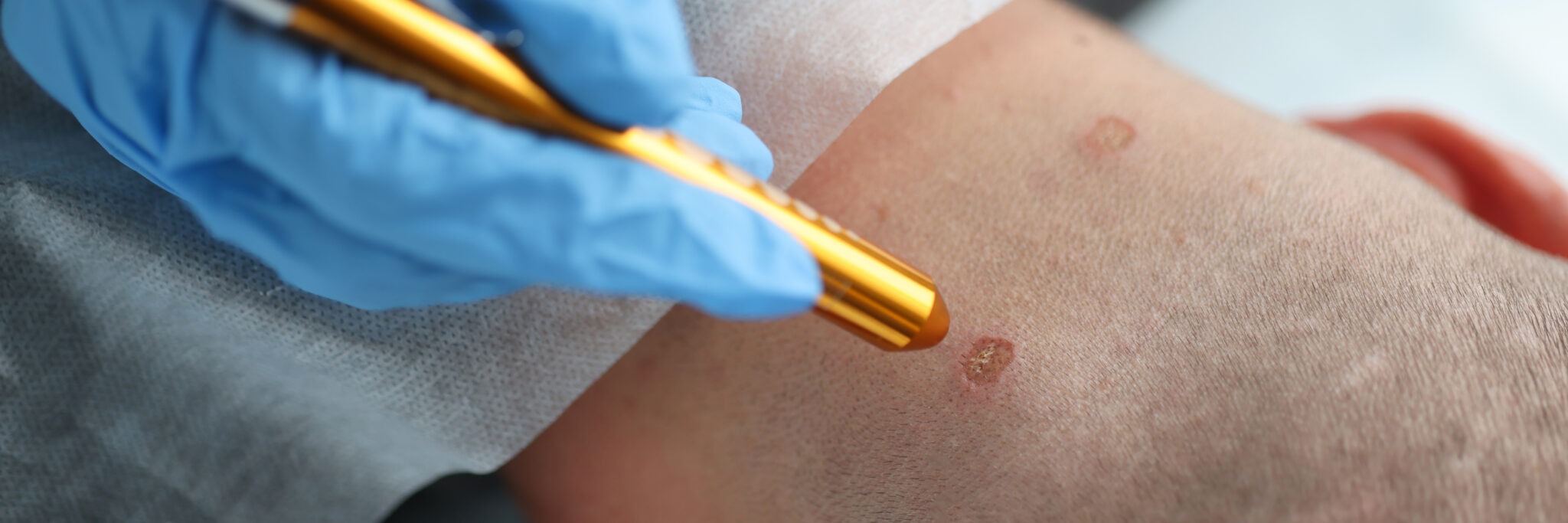
Understanding Moles: Types, Causes, and Skin Behavior
Moles, medically known as nevi, develop when pigment-producing cells (melanocytes) cluster together. They can appear at birth or develop over time, especially during childhood and early adulthood.
Common mole types include:
- Congenital moles: Present at birth, varying in size
- Acquired moles: Develop later in life due to genetics and sun exposure
- Atypical (dysplastic) moles: Irregular in shape or color and require closer monitoring
In 2026, dermatologists rely on advanced classification systems and digital tracking to understand how moles behave over time, rather than relying on appearance alone.
When Should a Mole Be Assessed by a Dermatologist?
Professional assessment is recommended if a mole:
- Changes in size, shape, or color
- Becomes itchy, painful, or bleeds
- Develops irregular borders
- Looks significantly different from surrounding moles
Dermatologists commonly use the ABCDE rule (Asymmetry, Border, Color, Diameter, Evolution) as a baseline, but modern assessment goes further—combining clinical expertise with imaging technologies.
Early evaluation does not automatically mean removal; it means informed decision-making.
Modern Mole Assessment Tools in 2026
Technology has transformed mole management. Clinics now use:
- Digital dermoscopy: High-resolution imaging to analyze pigment patterns beneath the skin
- AI-assisted mole mapping: Tracks changes over time with exceptional accuracy
- Total body photography: Ideal for patients with multiple moles
These tools allow dermatologists to identify subtle changes early, reducing unnecessary removals while improving safety.

Mole Monitoring vs. Mole Removal: Making the Right Choice
Not every mole requires immediate action. Mole management falls into two main pathways:
Monitoring
- Stable, symmetrical moles
- No concerning changes
- Regular follow-ups recommended
Removal
- Suspicious or changing moles
- Moles causing irritation or repeated trauma
- Cosmetic concerns affecting confidence
In 2026, the focus is personalized care—balancing medical need, aesthetic preference, and long-term skin health.
Advanced Mole Removal Techniques Used Today
When removal is necessary, dermatologists choose techniques based on mole type, depth, and location.
Surgical Excision
- Gold standard for suspicious moles
- Allows full histopathological analysis
- Precise closure for minimal scarring
Shave Excision
- Ideal for raised, benign moles
- Quick procedure with minimal downtime
Laser Mole Removal
- Suitable for selected benign, superficial moles
- Focuses on pigment without cutting
- Requires expert evaluation to ensure safety
In 2026, removal techniques prioritize skin preservation and scar-minimization.
What to Expect During and After Mole Removal
Most mole removal procedures are performed under local anesthesia and take less than 30 minutes.
Aftercare typically includes:
- Keeping the area clean and protected
- Avoiding sun exposure during healing
- Following dermatologist-guided wound care
Healing time varies depending on the method used, but modern techniques aim for smooth recovery and natural-looking results.
Scar Management and Skin Healing in 2026
Scar prevention is a major focus in modern mole management. Dermatologists may recommend:
- Medical-grade silicone gels
- Targeted laser treatments for scar refinement
- Post-procedure skin regeneration protocols
With proper technique and care, most scars fade significantly over time, blending seamlessly with surrounding skin.
Cosmetic Mole Removal: Confidence Without Compromise
While medical safety is paramount, cosmetic concerns are valid. Facial moles or those in visible areas can affect self-confidence.
In 2026, cosmetic mole removal is:
- Dermatologist-led
- Aesthetically planned
- Designed to maintain natural skin texture
The goal is not just removal, but harmonious skin appearance.
Final Thoughts: A Smarter Approach to Mole Management
From assessment to removal, mole management in 2026 is about clarity, precision, and confidence. Whether a mole requires monitoring or removal, the decision should always be guided by expert evaluation and individualized care.
At Reveal Clinics, mole management is approached with medical integrity and aesthetic sensitivity—ensuring every patient receives safe, informed, and results-driven care.
Your skin tells a story. Make sure it’s guided by knowledge, not guesswork.
Clear decisions, medical precision, and confident skin—your complete mole management roadmap for 2026. Book your consultation today.