
Introduction
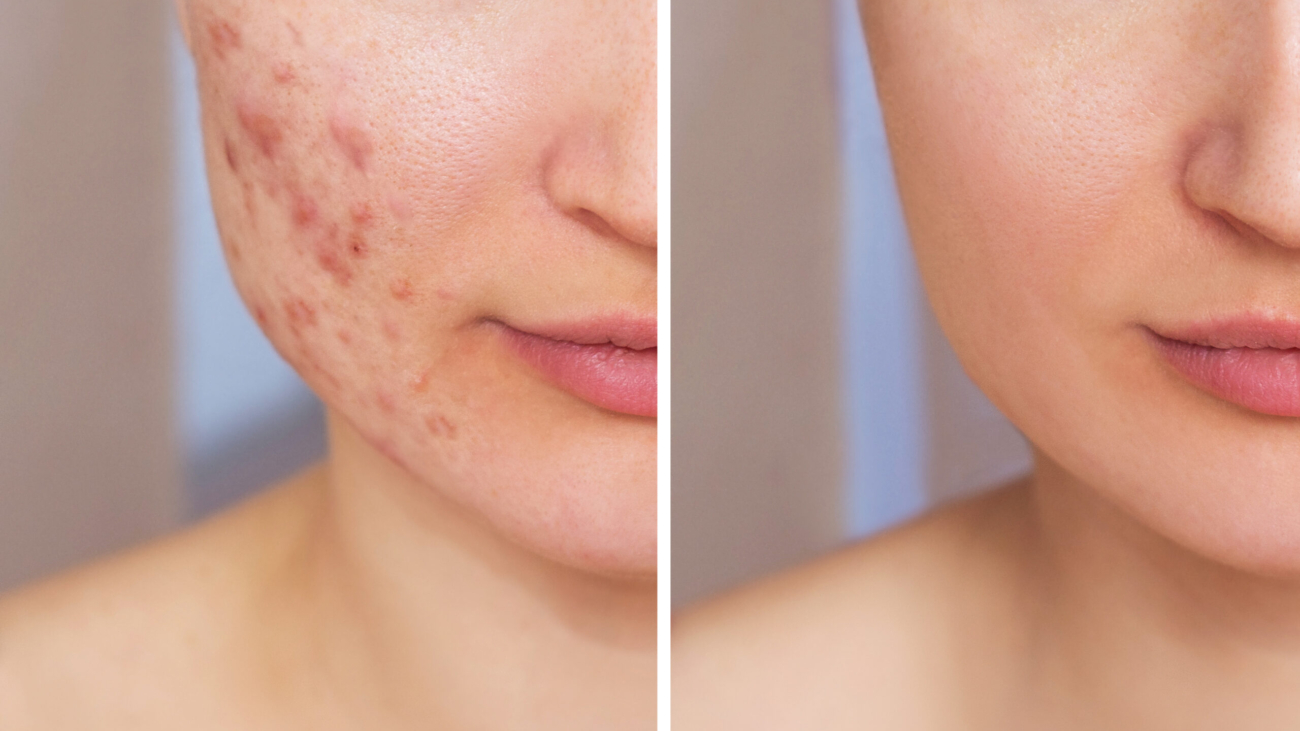
Acne might be temporary, but acne scars can feel permanent. They alter your skin’s texture, affect how makeup sits, and often impact confidence long after breakouts are gone.
But here’s the truth: acne scars are treatable—and in many cases, significantly reversible.
This dermatologist-style guide goes beyond surface-level advice. You’ll learn why scars form, how to identify your type, and the most effective clinical and at-home treatments backed by real science.
Why Acne Leaves Scars: The Biology Explained
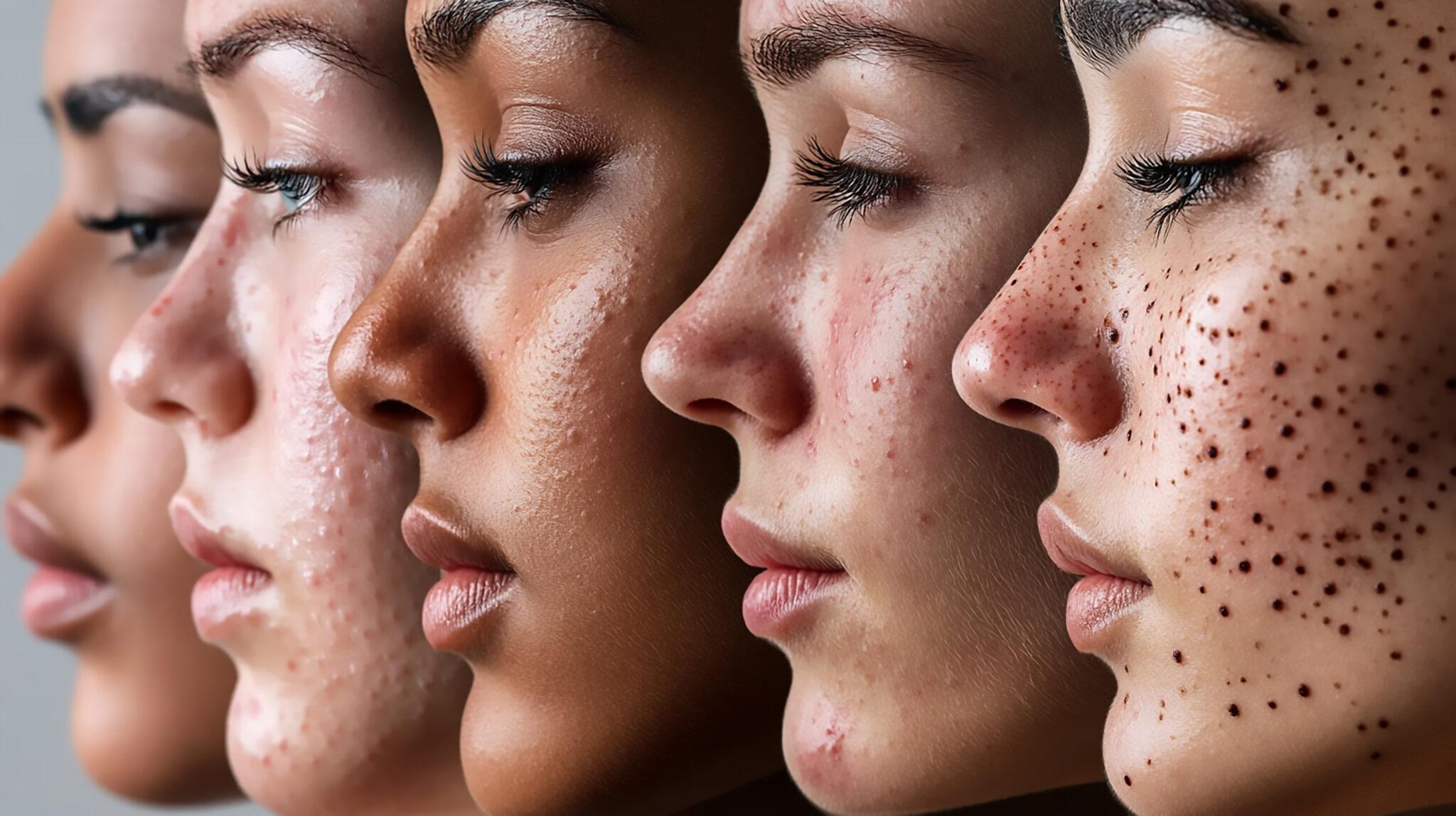
Acne scars are the result of inflammation deep within the skin. When pores become clogged with oil, bacteria, and dead skin cells, the follicle swells and can rupture.
This triggers a healing response:
- Too little collagen → Depressed scars
- Too much collagen → Raised scars
The deeper the inflammation, the higher the risk of permanent scarring.
Types of Acne Scars (And Why It Matters for Treatment)
Treating acne scars isn’t one-size-fits-all. Misidentifying your scar type is one of the biggest reasons people don’t see results.
- Atrophic Scars (Most Common)
These scars form due to collagen loss.
- Ice Pick Scars: Deep, narrow, and hard to treat
- Boxcar Scars: Wide with defined edges
- Rolling Scars: Uneven, wave-like texture
- Hypertrophic & Keloid Scars
Raised, thick scars caused by excess collagen production.
- Post-Inflammatory Hyperpigmentation (PIH)
Flat dark spots—not true scars, but often mistaken for them.
The Gold Standard: Dermatologist-Approved Treatments
- Laser Resurfacing (Most Powerful Option)
Laser therapy works by removing damaged skin layers and stimulating collagen regeneration.
Types:
- Ablative (deep resurfacing)
- Non-ablative (gradual improvement)
Why it works:
It triggers the skin’s natural healing process at a deeper level than topical treatments ever can.
Best for:
Moderate to severe scars
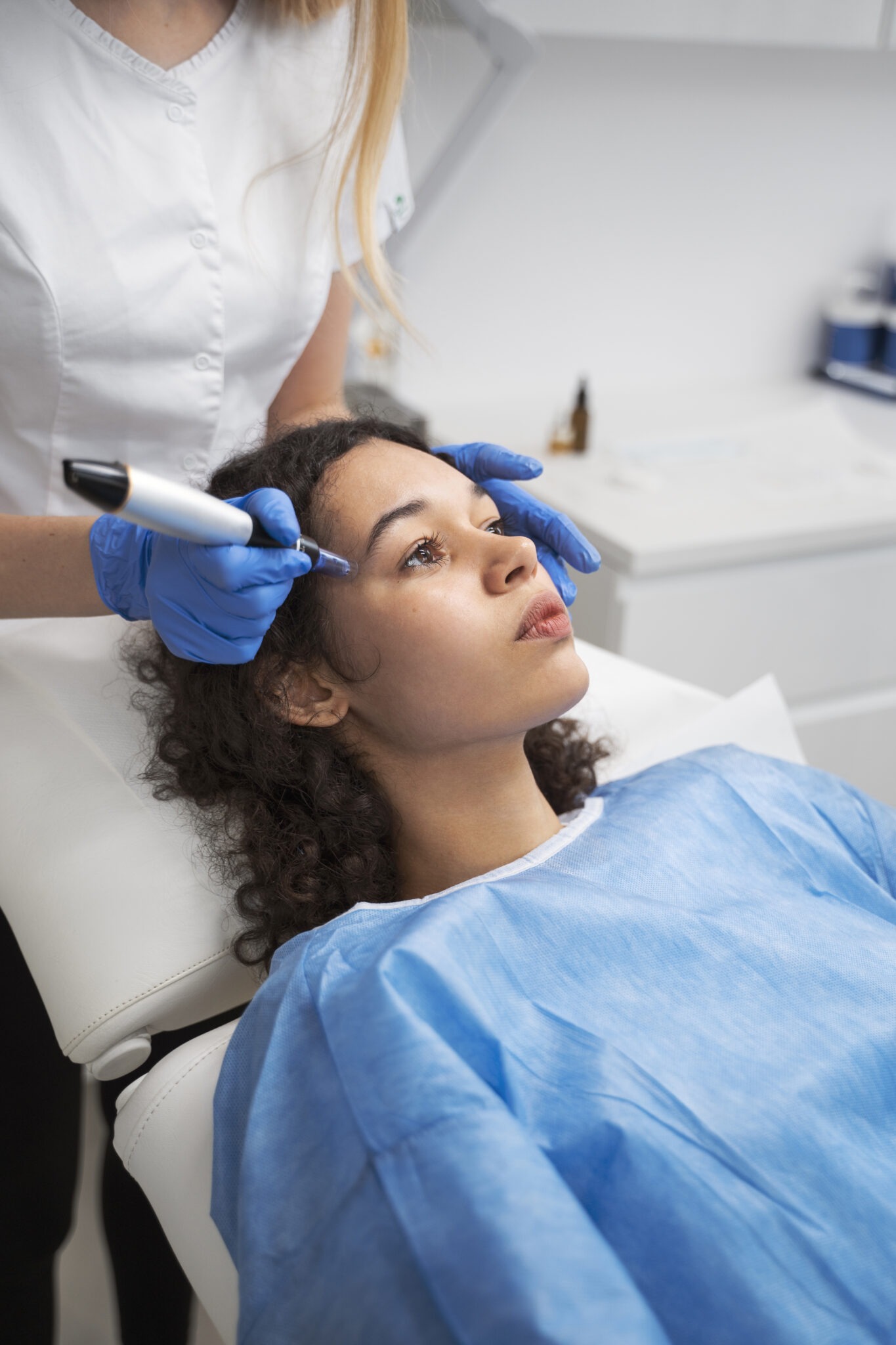
- Microneedling with RF (Radiofrequency)
This advanced version of microneedling delivers heat energy deep into the skin.
Benefits:
- Boosts collagen and elastin
- Tightens skin
- Improves texture significantly
Best for:
Rolling and boxcar scars
- Subcision (Hidden Hero Treatment)
A minimally invasive procedure where a needle breaks fibrotic scar bands under the skin.
Why it’s powerful:
It treats the root cause of depressed scars—not just the surface.
Often combined with:
- Fillers
- PRP
- Microneedling
- Chemical Peels (For Tone & Mild Scars)
Medical-grade peels use acids like TCA or glycolic acid.
Best for:
- Hyperpigmentation
- Superficial scars
Pro insight:
Multiple sessions are needed for visible change.
- Dermal Fillers (Instant Improvement)
Fillers lift depressed scars to match surrounding skin.
Results:
- Immediate
- Temporary (6–18 months)
- PRP Therapy (Natural Regeneration)
Platelet-Rich Plasma uses your body’s own healing factors.
Best used with:
- Microneedling
- Laser treatments
Topical Treatments: Do They Really Work?
Topicals won’t erase deep scars—but they play a critical role in improving skin quality.
What actually helps:
- Retinoids: Increase cell turnover & collagen
- Vitamin C: Brightens and evens tone
- Niacinamide: Reduces inflammation
- AHAs/BHAs: Improve texture over time
What to avoid:
- Harsh DIY remedies
- Over-exfoliation
- Viral “quick fixes” with no scientific backing
How to Choose the Right Treatment Plan
A proper acne scar plan is usually combination-based, not a single solution.
Example strategies:
- Mild scars + dark spots:
Chemical peels + retinoids - Textural scars:
Microneedling + PRP - Deep tethered scars:
Subcision + fillers + laser
Realistic Expectations: What Results Look Like
One of the biggest misconceptions? Expecting perfect skin.
What you can achieve:
- 50–80% improvement in most cases
- Smoother texture
- More even tone
What you may not achieve:
- Completely poreless, flawless skin
Consistency and patience are key.
Common Mistakes That Worsen Acne Scars
Avoid these if you want real progress:
- Skipping sunscreen
- Switching products too often
- Overusing exfoliants
- Ignoring professional treatments
Following social media trends blindly
Final Word: Real Skin, Real Results
Acne scars may feel permanent, but modern dermatology has changed the game.
The key isn’t chasing trends—it’s choosing evidence-based treatments tailored to your skin type and scar type.
Clearer, smoother skin isn’t about perfection—it’s about progress.
And progress is absolutely possible.