

Introduction
Every mark on your skin has a story — but not every story is the same. Some spots are purely genetic, others appear from sun exposure, and a few may signal early signs of skin disease. Being able to tell the difference between moles, freckles, and cancerous spots is key to maintaining healthy, worry-free skin.
This guide breaks down what sets these skin spots apart, how to recognize warning signs, and when a professional skin check could make all the difference.
1. Freckles: Sun-Activated Pigment Spots
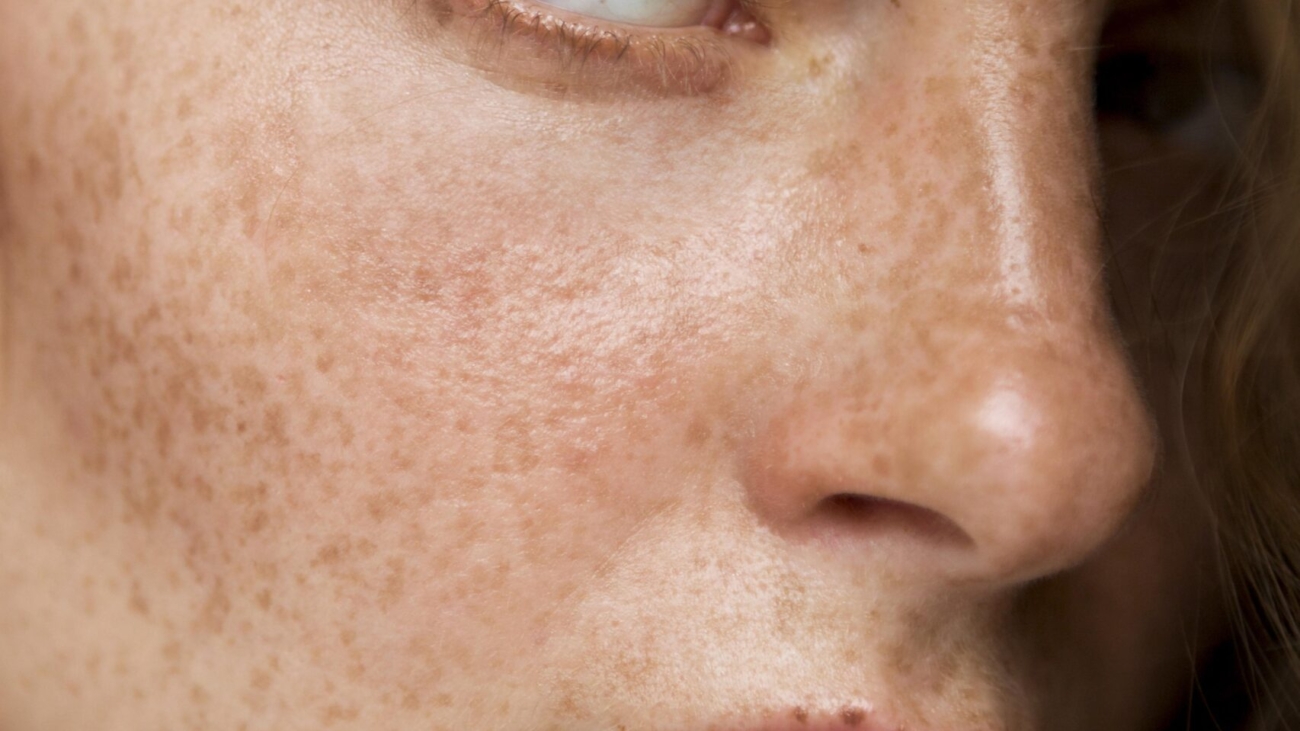
Freckles are the tiny, flat brown or golden specks that often appear on the face, shoulders, or arms after time in the sun. They form when UV rays trigger excess melanin, your skin’s natural pigment.
- Appearance: Small, round, and uniform in color
- Color Range: Light brown to reddish
- Texture: Smooth and flat
- Behavior: Fade in cooler months or with sun protection
Expert tip: Consistent sunscreen use and protective clothing can help prevent new freckles from forming or darkening over time.
2. Moles: Common Pigmented Growths
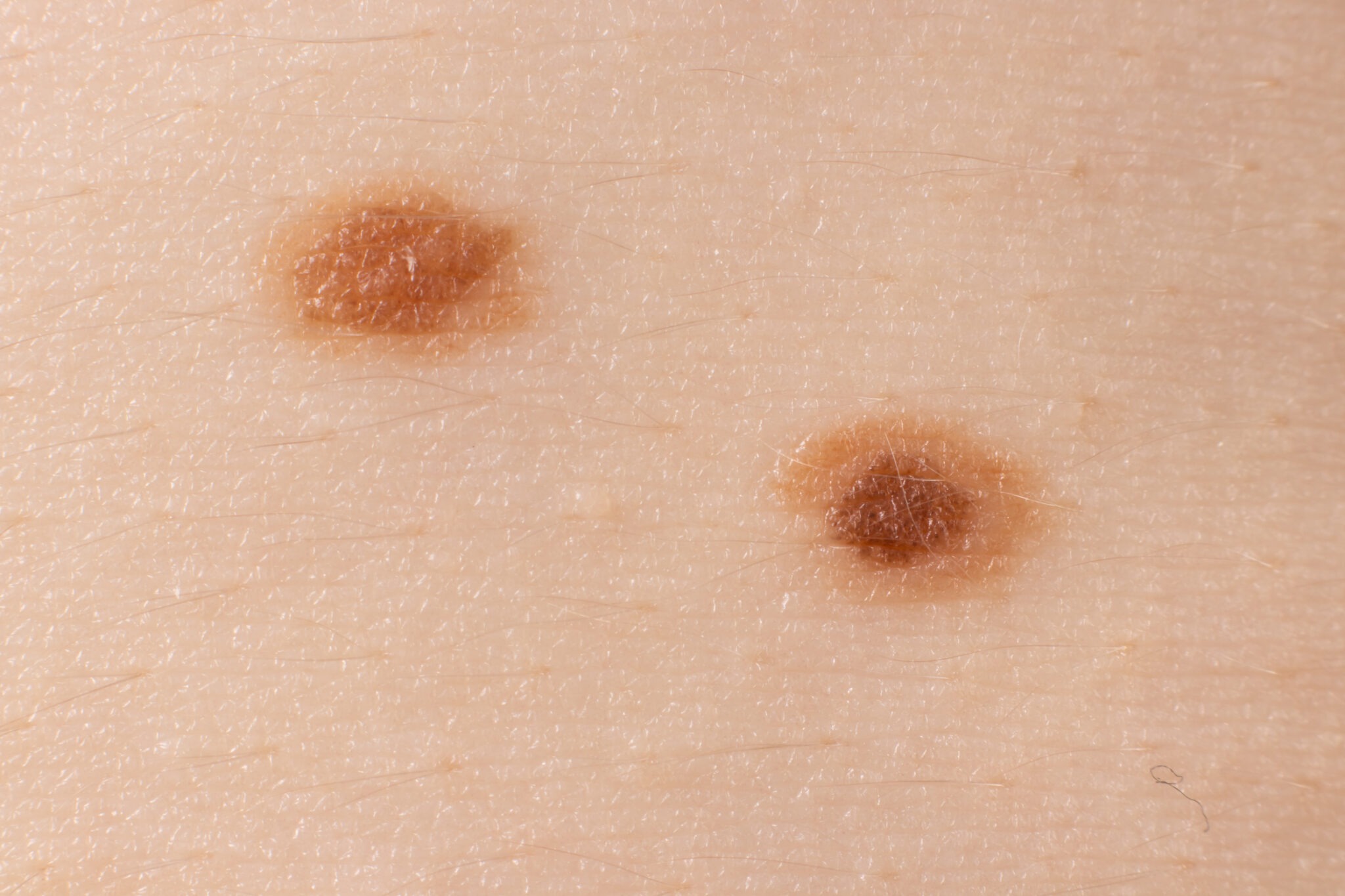
Moles, or nevi, are clusters of pigment-producing cells that may be present at birth or develop over time. Most moles are harmless and stay the same for years, but a few can change — a potential sign of skin cancer.
- Typical Look: Round or oval, brown to flesh-colored
- Texture: Flat, raised, or dome-shaped
- Normal Behavior: Usually stable and painless
- Caution: Changes in size, border, or color should be evaluated
🔍 Remember the ABCDEs of Moles
- A – Asymmetry: Uneven halves
- B – Border: Jagged or fuzzy edges
- C – Color: Multiple tones in one mole
- D – Diameter: Larger than a pencil eraser
- E – Evolution: Any visible change or new symptom
3. Cancerous Spots: The Ones That Need Attention
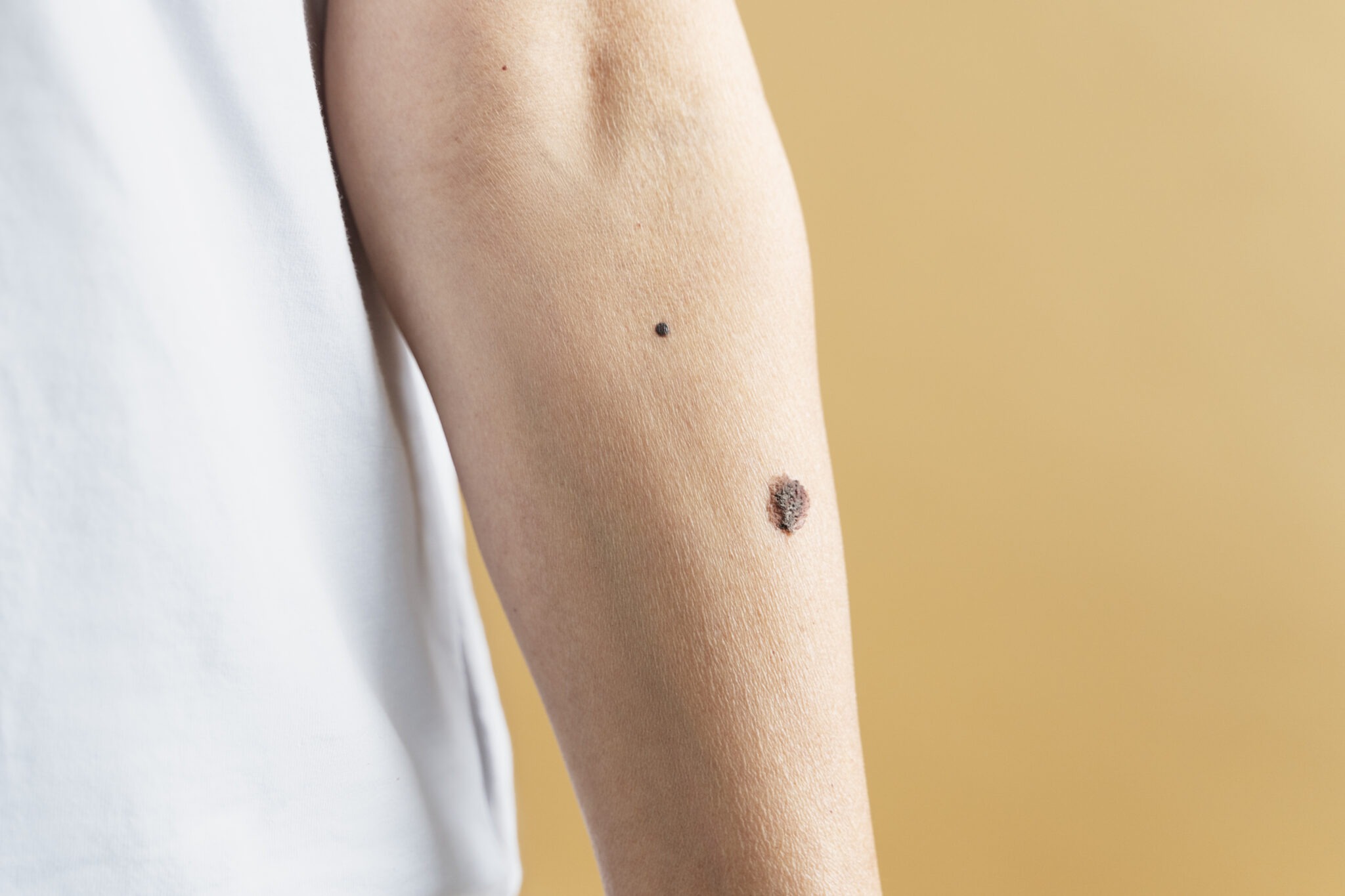
Cancerous or precancerous skin spots, such as melanoma, basal cell carcinoma, or squamous cell carcinoma, can mimic a mole or freckle in the early stages. The difference lies in how they behave and evolve.
Warning Signs to Watch For
- Sudden growth or color change
- Irregular borders or uneven pigmentation
- Persistent itching, bleeding, or scabbing
- A spot that appears after age 30
- A sore that refuses to heal
Unlike freckles or stable moles, cancerous lesions progress over time. Spotting them early significantly improves treatment outcomes.
4. How to Tell Them Apart
Feature | Freckles | Moles | Cancerous Spots |
Color | Light brown or tan | Brown, black, or pink | Uneven or multiple colors |
Texture | Flat and smooth | Flat or raised | Scaly, crusted, or bleeding |
Reaction to Sun | Darken with UV exposure | Usually, unaffected | May worsen or appear suddenly |
Risk Level | Harmless pigmentation | Low, but monitor changes | Potentially dangerous |
5. When to Seek Professional Help
If you spot unusual changes — such as growth, irritation, or uneven coloring — schedule a skin examination with a dermatologist. Professionals can use dermoscopic imaging or biopsies to identify any early signs of skin cancer.
Regular skin checks save lives. Annual dermatologist visits and self-exams at home can help detect problems before they become serious.
Conclusion
Your skin constantly evolves, and so should your awareness. While freckles and moles are part of normal skin biology, suspicious or changing spots should never be ignored. Protect your skin with daily sunscreen, monitor new marks, and get professional evaluations when in doubt.
Book your consultation at Reveal Clinics for a thorough skin assessment and peace of mind — because early care is the best skincare.