
🩺 Introduction
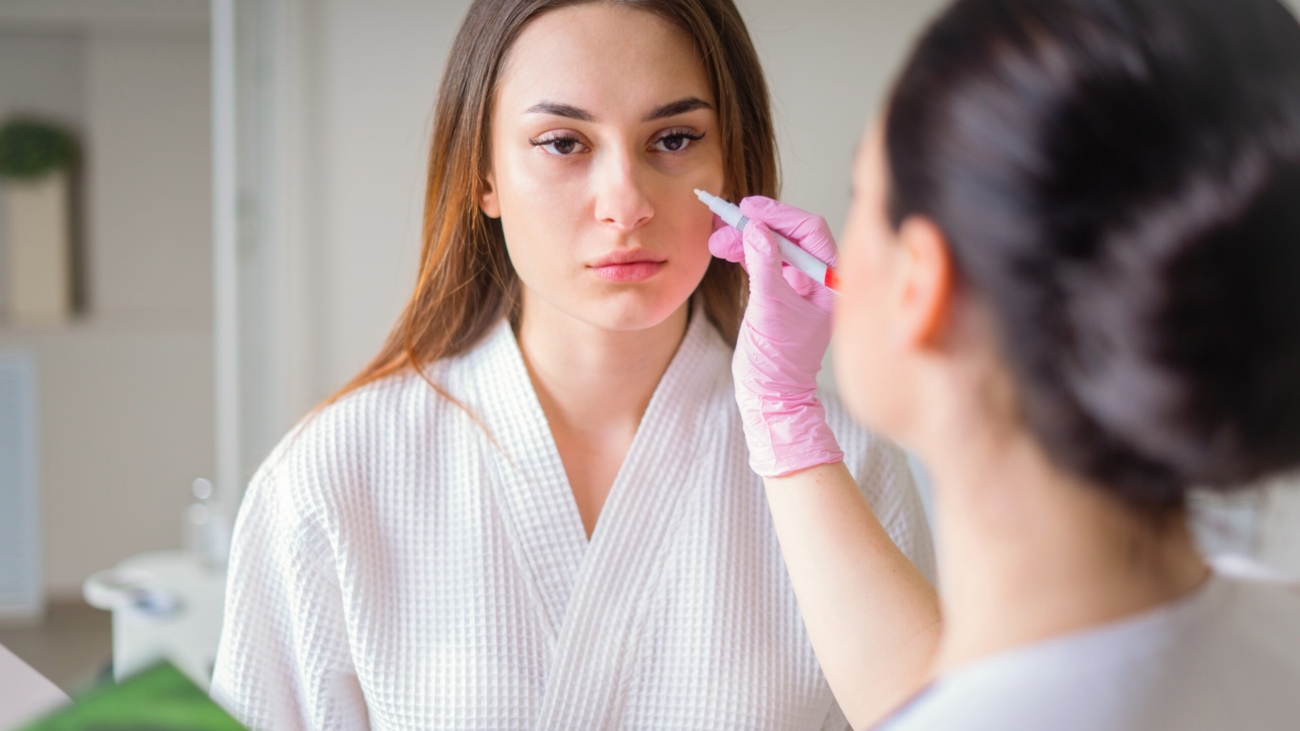
Uneven skin tone and dark patches are among the most frequent concerns seen in Riyadh’s dermatology clinics. The intense desert sun, heat exposure, and genetic predisposition in Middle Eastern skin make pigmentation disorders more common—and often more persistent—than in lighter skin tones.
Dr. Ola Samman, Consultant Dermatologist at Reveal Clinics Riyadh, explains the main causes of pigmentation, the science behind treatment, and how proper medical care helps maintain an even, radiant complexion while protecting skin integrity.
💡 What Causes Pigmentation in Middle Eastern Skin
- Sun Exposure & UV Radiation – Prolonged sun exposure triggers melanocytes to overproduce melanin, leading to sunspots and uneven tone.
- Post-Inflammatory Hyperpigmentation (PIH) – After acne, eczema, or laser procedures, darker skin types often develop residual dark marks.
- Hormonal Changes (Melasma) – Common among women during pregnancy or with oral contraceptives.
- Genetic Predisposition – Middle Eastern skin naturally contains higher melanin activity.
- Improper Cosmetic Use – Harsh whitening creams or unregulated peels can worsen pigmentation or cause rebound darkness.
💬 “Pigmentation isn’t just a cosmetic concern—it’s a biological response,” says Dr. Ola. “Understanding its triggers is key to effective and lasting treatment.”
⚙️ How Dermatologists Treat Pigmentation
At Reveal Clinics, pigmentation management is tailored according to cause, depth, and skin tone.
- Medical Peels
Formulated with glycolic, lactic, or TCA acids to exfoliate damaged layers and stimulate renewal.
✅ Ideal for surface pigmentation and dullness.
- Laser Therapy
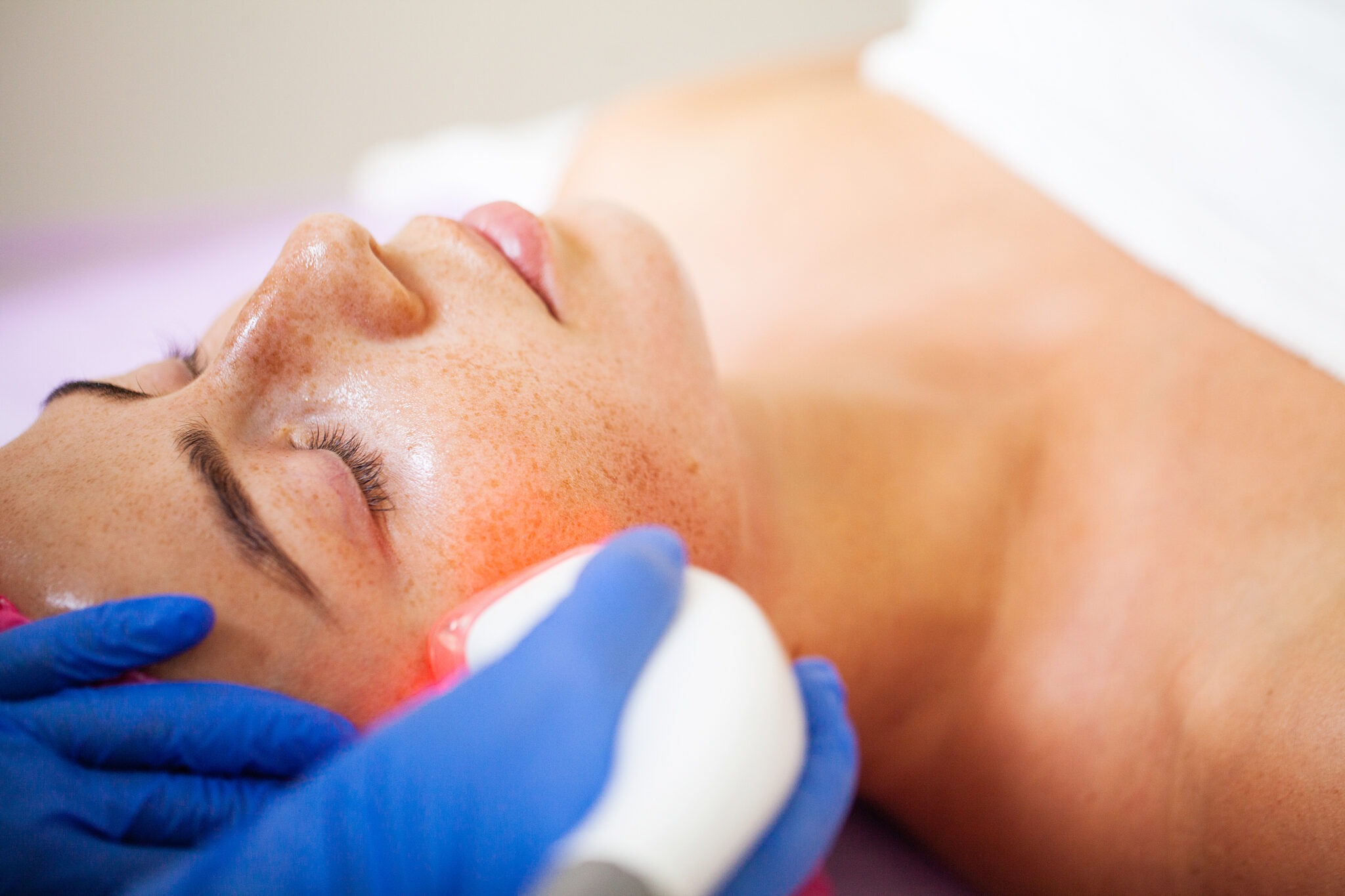
Q-Switched Nd:YAG and Pico Laser technologies target melanin clusters deep in the dermis without damaging surrounding tissue.
✅ Effective for melasma, sun spots, and PIH.
- Topical Depigmenting Agents
Prescription creams with hydroquinone, retinoids, and vitamin C help regulate melanin production.
- Regenerative Add-Ons
PRP or Exosome Therapy can accelerate cellular turnover and reduce inflammation post-laser.
- Sun Protection Protocol
SPF 50+, wide-brim hats, and antioxidant serums are mandatory to prevent recurrence.
🌟 Results & Expectations
- Noticeable tone improvement within 2–3 sessions
- Significant reduction in dark patches after a 6-week protocol
- Enhanced skin clarity and radiance with ongoing maintenance
- Long-term results when combined with daily UV protection
👩⚕️ Why Choose Dr. Ola Samman at Reveal Clinics
Dr. Ola Samman is known for her specialized approach to skin rejuvenation and pigmentation correction in Fitzpatrick IV–V skin types common in the Middle East.
At Reveal Clinics Riyadh, patients receive:
- Tailored treatments for sensitive and melanin-rich skin
- Combination of medical peels + laser for balanced results
- Dermatologist-supervised care to prevent PIH recurrence
Gentle, evidence-based protocols for lasting brightness
💰 Cost & Consultation in Riyadh
The cost of pigmentation treatments in Riyadh varies from SAR 800 – 2,200 per session depending on the procedure type and depth of pigmentation.
Dr. Ola recommends a personalized consultation to determine the cause and choose the safest, most effective treatment plan.
Learn more on the Reveal Clinics website.
❓ Frequently Asked Questions (FAQs)
- Is laser safe for dark skin?
Yes. When performed with correct settings by a qualified dermatologist, modern lasers are safe for Middle Eastern skin tones. - Can pigmentation return after treatment?
Yes if sun protection is ignored. Maintenance SPF and topicals are essential. - Are chemical peels painful?
Slight tingling is normal and subsides within minutes. - How soon will I see results?
Visible lightening after 2 sessions; best results within 6–8 weeks. - Can I combine peels and lasers?
Yes. Dr. Ola often alternates them for balanced surface and deep pigment correction.
Even skin tone starts with expert care.