
Introduction: Healing Doesn’t Happen Overnight
Laser tattoo removal is a safe and effective method to fade or eliminate unwanted ink—but healing is a gradual process that requires time, patience, and the right care.
Understanding the tattoo removal healing timeline can help you feel confident and prepared at every stage. This guide outlines what typically happens week by week after a laser treatment session, plus essential aftercare tips to support your skin’s recovery.
Immediately After Laser Treatment
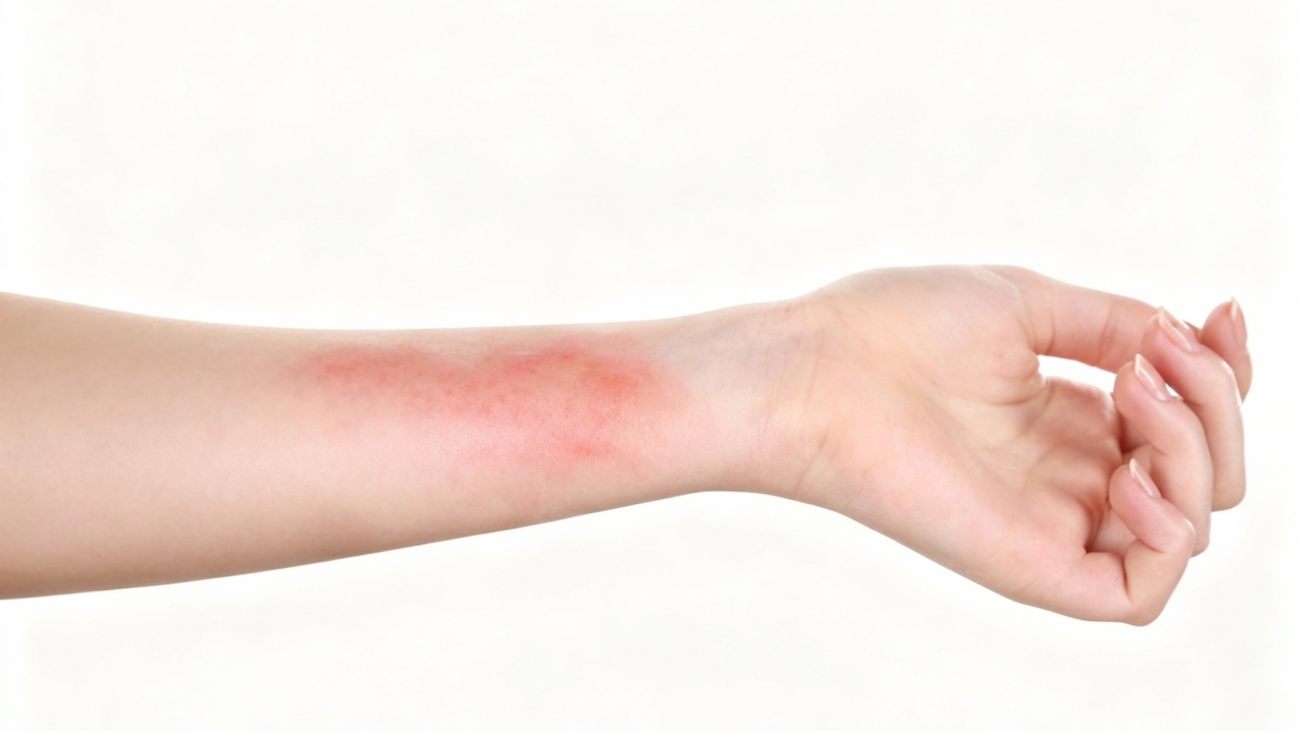
Right after your session, the treated area will likely feel like a mild sunburn. Common reactions include:
- Redness and swelling
- Mild blistering or warmth
- Slight tenderness or skin sensitivity
These are normal signs that your body is initiating its natural healing response. Avoid touching, picking, or applying pressure to the area, and follow any post-care instructions provided by your technician.
Keep the area clean, dry, and loosely covered if needed. A breathable bandage can help protect healing skin in the first 24–48 hours.
Week 1: Inflammation, Blistering & Early Healing
In the first few days:
- Swelling may increase slightly before beginning to subside
- Blisters may form, especially with darker ink shades
- Itching or mild discomfort may occur
Blisters are your skin’s way of protecting itself—do not pop or scratch them. They act as a barrier while your skin heals beneath. During this phase, stay hydrated, avoid friction from clothing, and steer clear of sun exposure.
Week 2: Scabbing and Skin Peeling
By the second week:
- Blisters dry out and scabs begin to form
- Skin may appear flaky, dry, or begin to peel naturally
This is the skin’s exfoliation and repair phase. It’s crucial not to pick at scabs or peel the skin prematurely, as doing so can lead to scarring or delayed healing. Moisturize gently if advised, and continue avoiding harsh products or treatments on the area.
Week 3: Fading Becomes Visible
As the healing continues:
- Scabs naturally fall off
- The tattoo may appear lighter or patchy
- Slight tenderness or pinkness may persist
This stage is often the most encouraging. You’ll likely start to see signs that the ink is fading as your body processes and removes fragmented pigment through the lymphatic system.
Stay consistent with aftercare, support your immune system, and avoid scrubbing or exfoliating the area.
Week 4: Skin Normalizes and Healing Completes
By the fourth week:
- Most surface healing is complete
- Pinkness or uneven skin tone may still be present
- Fading continues beneath the surface
At this point, the outer layer of skin usually feels and looks more normal. However, internal healing is still in progress, especially as the body continues flushing out deeper ink particles. If you’re undergoing multiple treatments, your next session is often scheduled 6 to 8 weeks after the previous one.
Tattoo Removal Aftercare Tips for Faster Healing
To promote smoother healing and avoid complications, follow these essential tips:
- Avoid sun exposure on the treated area
- Don’t pick or scratch scabs or blisters
- Wear loose, breathable clothing over the site
- Gently cleanse and keep the area dry
- Apply approved ointments or healing creams
- Stay hydrated and support your immune system with a healthy diet
Remember: Every Tattoo Heals Differently
Healing varies depending on:
- Tattoo ink color and saturation
- Age and depth of the tattoo
- Location on the body
- Skin type and immune response
Some tattoos fade quickly, while others require multiple sessions and months of healing. Be patient with your progress—laser removal is a journey, not an instant fix.
If you’re considering professional tattoo removal or are in the healing phase and looking for dedicated follow-up care, the team at Reveal Clinics in Riyadh offers a full-service approach: board-certified dermatologists, advanced laser systems for safe removal and comprehensive after-care support.
Your Ink Doesn’t Have to Be Forever.
Book your consultation now and start your skin’s fresh chapter.